
The two years before leaving care: what actually matters
The two years before a young person leaves care are the highest-leverage window in Out-of-Home Care. What to build, what to stop delaying, and where mentoring fits.
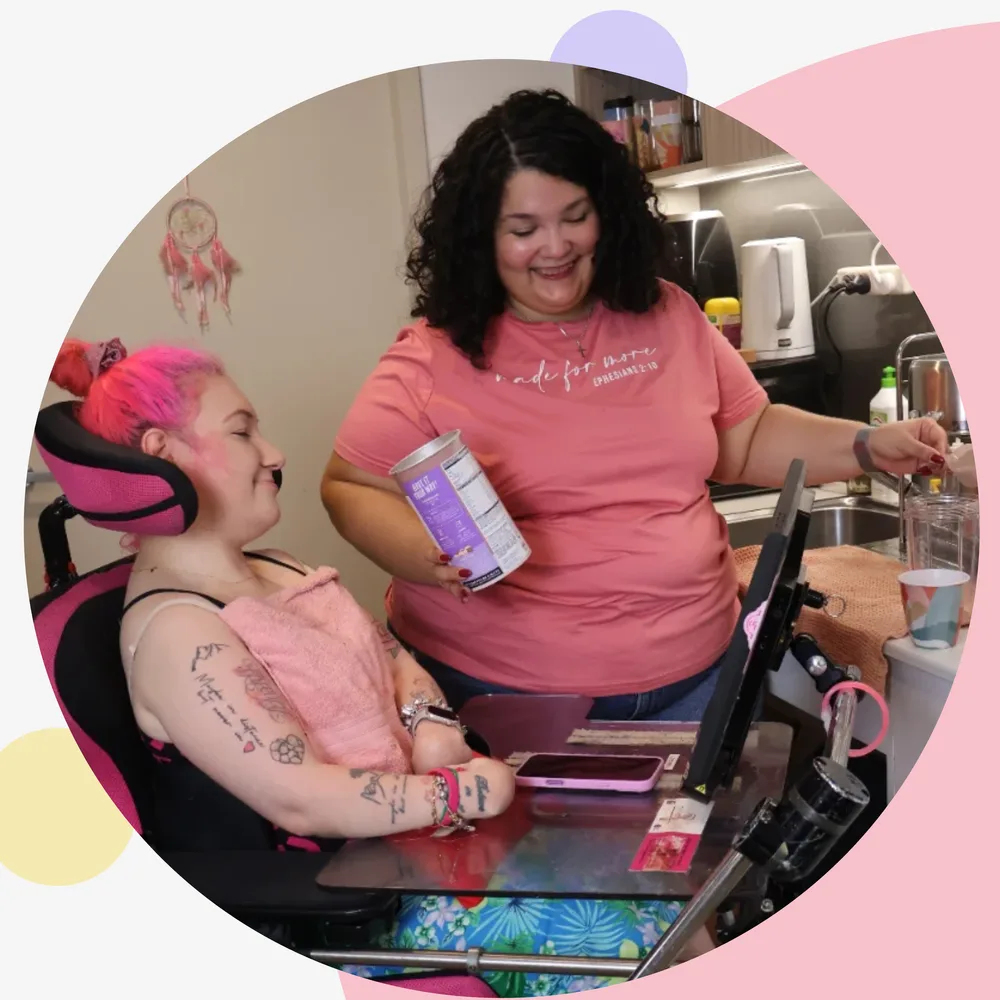
The Australian data on leaving-care outcomes is consistent and confronting. Young people who age out of Out-of-Home Care are dramatically over-represented in homelessness, unemployment, and mental-health crisis in the first years of adulthood. Most of that outcome is decided in the two years before they leave. Very little of it is decided after.
Why the runway is two years, not two months
A young person cannot go from support-dependent to self-led in a few months. Cooking, budgeting, managing appointments, navigating the health system, holding a tenancy, keeping a job, asking for help when needed, handling a hard conversation without walking out: these are all skills, not personality traits. Each of them takes months of repeated practice in real environments to reliably build.
If the leaving-care conversation starts three months before the young person’s eighteenth birthday, most of the skills that will make or break the first years of adulthood are already too late to build. If it starts two years out, the runway is enough.
What to prioritise in the two-year window
1. Practical independence skills, in real environments
Cooking a whole meal from scratch. Getting the train alone. Managing a bank account. Making and keeping an appointment with a GP. Handling money that has to last a fortnight. Practising these one at a time in the environments where they need to live. Not in a workshop. Not on a worksheet.
2. One adult who is still there on the other side
The research is clear that a stable adult relationship across the leaving-care threshold is one of the strongest predictors of positive outcomes. This is often the argument for mentoring to continue past 18 through NDIS funding, extended-care arrangements, or private support. The mentor becomes the through-line the case plan cannot be.
3. Financial literacy
Not “budgeting” as a concept. Actual money, in a real bank account, being spent on real things. Rent, groceries, transport, phone, unexpected costs. Practised while there is still a placement and a case plan holding the safety net. Not learned by trial in the first month of independence.
4. Housing plan, well before the deadline
Not a placeholder. An actual conversation about where the young person will live at 18, who signs the lease, how the bond is funded, what happens if the arrangement falls through. Housing insecurity is the leading cause of poor leaving-care outcomes. It needs to be talked about early and often, not once at the end.
5. Health-system navigation
How to make a GP appointment. What Medicare is and how to use it. What a repeat script is. How to see a psychologist. What the crisis lines are. What to do if the money for medication runs out. These skills need to be practised while there is still support around, not learned from scratch when the young person is alone and unwell.
6. Community connection
A community outside the case-plan system. A team, a job, a volunteer role, a group of friends, a place of belonging. The young person’s life at 19 will be built on relationships and belonging, not paperwork and support hours. This has to be built now, not later.
Leaving care is a transition to plan for, not a deadline to work up against.
The most useful reframe I have seen is treating the eighteenth birthday as the middle of the leaving-care work, not the end. It changes what you build in the year on either side.
What often gets prioritised, and shouldn’t
In the last months of care, teams often focus on the paperwork of leaving. The transition plan, the referrals to adult services, the bond payment, the birth certificate, the Medicare card. All of that matters. None of it is the point. The point is whether the young person can do a life on the other side. Paperwork does not teach that.
Where mentoring fits
Structured youth mentoring in the two-year window is one of the highest-leverage interventions available. It is where the practical independence skills get built in real environments, where the mentor becomes the adult who is still there on the other side, and where the case plan gets translated into daily life.
At Supporting Communities Australia, leaving-care mentoring can be funded through DCJ packages, Permanency Support Program (PSP) funding, NDIS Capacity Building (for young people who are dual-eligible), and post-18 continuation via NDIS or extended-care arrangements.
When to refer
The best time to refer a young person for leaving-care mentoring is around age 16, giving the two-year runway. Twelve months out is still useful. Six months out is emergency territory. Better than nothing, but limited.
Also worth considering:
- Young people in residential care approaching 17, especially those without stable community connections
- Young people with dual OOHC and NDIS funding, where the transition to adult NDIS is coming at the same time as leaving care
- Young people who have moved placements recently and have not had a chance to build any practical independence skills
- Young people with a leaving-care plan on paper but no adult who will consistently show up on the other side
A young person in your placement?
15-minute call, no commitment. If we're not the right fit, we'll point you to someone who is.